Avoid Fine: Croydon Council Permit Rules for Removals
Posted on 02/06/2026
If you are planning a move in Croydon, the last thing you want is a ticket, a delayed van, or a stressed phone call on moving day. Croydon Council permit rules for removals can feel like one more admin job in an already busy week, but getting them right is often the difference between a smooth move and an expensive headache. In this guide, we'll break down what the permit rules are for, how they usually affect removals, and the practical steps that help you avoid fines without making the process more complicated than it needs to be.
Let's face it: most moving problems are not dramatic disasters. They are small, annoying details that stack up. A van parked where it should not be. A suspension zone missed by a day. A loading bay that was assumed to be available. Those are the kinds of things that can trip people up in Croydon, especially on busy residential roads or in tighter streets where space is already at a premium.
This article is designed to help you plan sensibly, keep things compliant, and understand where professional removals support can save time and hassle. If you are also sorting boxes, decluttering, or moving bulky furniture, you may find it useful to read our guide to smart decluttering before a move and our advice on efficient packing strategies for your next move.
Quick takeaway: in Croydon, the safest approach is to check parking and permit requirements well before move day, confirm whether your van will need a bay suspension or dispensations, and allow a buffer for busy streets, schools, and resident-only restrictions. A little planning goes a long way.

Why Avoid Fine: Croydon Council Permit Rules for Removals Matters
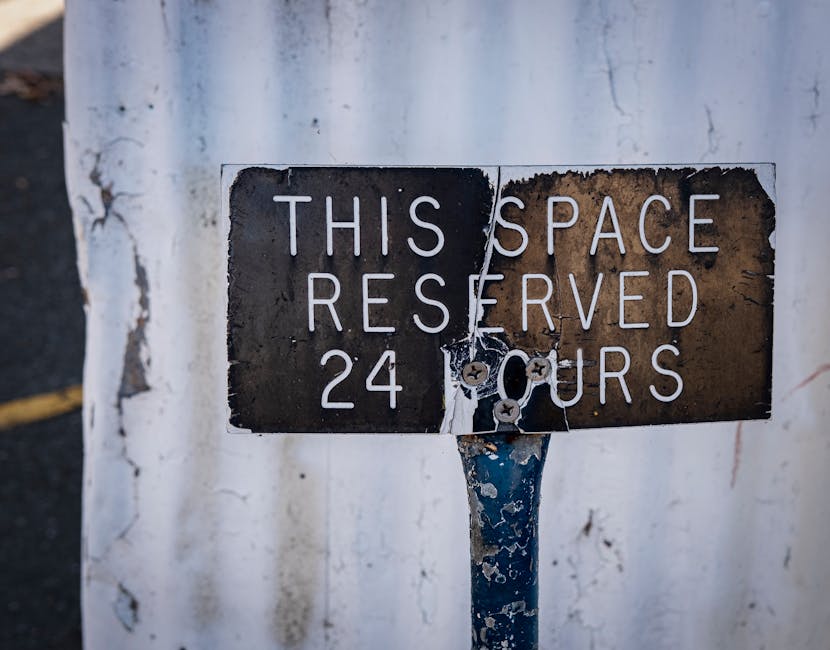
Permit rules matter because removal vehicles do not behave like ordinary cars. They are larger, slower to manoeuvre, and often need space right outside the property. In Croydon, that space can be governed by resident bays, loading restrictions, yellow lines, controlled parking zones, or time-limited access rules. If you assume "it will probably be fine," you are gambling with your move day.
And moving day is already busy enough. Boxes are half-labelled, someone is looking for kettle mugs, and the mattress is blocking the hallway. The van turns up, but there is nowhere legal to stop. That is when everything starts slipping. A missed permit can mean extra walking distance, wasted time, higher labour, or enforcement action if the vehicle is parked in the wrong place. Nobody wants to spend the morning watching a removal team jog back and forth with wardrobes because the van is three streets away.
There is also a practical side that people miss. Even if you avoid a fine, poor parking arrangements can make the whole move less safe. Heavy items carried across busy pavements, awkward curb drops, and repeated loading from a distant van all increase the chance of damage or injury. For a better sense of safe lifting and handling, it helps to understand the basics in our article on kinetic lifting for safer moving.
In short, the permit issue is not just a paperwork box to tick. It shapes the whole moving experience.
How Avoid Fine: Croydon Council Permit Rules for Removals Works
The exact rules can vary depending on the street, parking controls, and the type of vehicle involved, so the safest approach is to treat each move as location-specific. In plain English, the process usually revolves around three questions:
- Can the removal van stop legally where it needs to load or unload?
- Does the street need a parking suspension, permit, dispensation, or special loading arrangement?
- Is the move taking place during a restricted time, such as peak traffic hours or a resident-only period?
Most problems happen when one of these questions is left unanswered. A small flat on a narrow road may need a different approach from a house move on a wider street. Croydon is a patchwork of road types, and that matters. A van can sometimes be parked safely for a short loading window in one place, while another street only works if parking is formally suspended.
A good removals plan normally starts with a road check. You or your removal company should look at the property frontage, nearby bays, signage, kerbs, turning space, and any obvious restrictions. If a permit or suspension is needed, it should be arranged early enough that you are not scrambling the day before. That bit is surprisingly common. People sort the boxes before they sort the road space. Fair enough, but it is backwards.
If your move is particularly tight, it may also help to think through van size and access strategy together. Our local guides on small flat removals and van tips and navigating narrow paths on local moves are useful examples of how access can change the whole plan.
Key Benefits and Practical Advantages
Getting the permit side right brings benefits that go beyond avoiding a penalty notice. It gives you control. And in removals, control is gold.
- Less risk of fines or enforcement issues: You reduce the chance of a parking ticket, PCN, or awkward conversation with enforcement.
- Faster loading and unloading: The van can be placed closer to the door, which saves time and effort.
- Better safety: Fewer long carries and fewer chances to trip, bump, or drop an item.
- Smoother team coordination: Removal crews can work in one continuous flow instead of stopping and starting.
- Lower stress: You are not trying to solve a parking crisis while the clock is ticking.
There is also a quality-of-life benefit that people underestimate. When parking is sorted, the day feels calmer. The move starts with a plan, not a panic. You hear less shouting, fewer slammed doors, less of that awful "where do we put this now?" moment in the middle of the road.
That calmer pace also helps protect furniture. A sofa carried in one clean run is less likely to be scraped on a wall or set down badly. If you are moving larger household items, you may want to look at our sofa storage and protection tips and the step-by-step guide to moving a bed and mattress.
Who This Is For and When It Makes Sense
This applies to more people than you might think. It is not only for large family homes or big office relocations. In Croydon, permit and parking planning can matter for:
- flat moves on busy streets
- house removals with limited driveway access
- student moves with short turnaround times
- office relocations where time windows are tight
- same-day or urgent removals
- any move involving a larger van or multiple trips
If you are moving from a flat above a shop, a terraced house, or a building with no private parking, you should assume a permit issue could arise. In those situations, even a short move can become complicated if the vehicle cannot stop nearby. That is especially true for older streets where road width and visibility are not generous. Truth be told, those are the moves that look simple on paper and then get a bit gnarly in real life.
This is also relevant if you are using a man with a van in Upper Norwood or comparing different removal companies in Upper Norwood. Different operators handle access planning differently, so it pays to ask questions before booking.
Step-by-Step Guidance
Here is a straightforward way to handle the permit side without turning it into a project of its own.
- Check the move address early. Look at the street layout, parking signs, bay markings, and any obvious restrictions.
- Identify the access need. Decide whether the van needs to load directly outside, nearby in a bay, or from a side street.
- Ask whether a permit or suspension is required. If you are not sure, treat it as required until confirmed otherwise.
- Build in time for approval. Some arrangements may take longer than expected, especially if the move is close to a busy period.
- Confirm the vehicle details. Permit arrangements can depend on the van size, registration, and the exact date.
- Keep proof and paperwork handy. If anything needs to be displayed or referenced on the day, have it ready.
- Brief everyone involved. Removal crews, family members, and any helpers should know where the van will stop and how items will be carried.
- Plan for a backup. Have a second option in case the first loading location becomes unavailable.
One small but useful habit: do a quick street check the day before as well. Things change. Temporary works, bin collections, neighbours moving cars, or road closures can all affect the final plan. Ten minutes spent looking can save an hour later. Easily.
If you are still in the decluttering and packing phase, our guides on a smooth, stress-free home move and getting the home ready before you relocate can help you tidy up the job before the van arrives.
Expert Tips for Better Results
Here are the small details that often make the biggest difference.
1. Measure access, not just distance
A van being "nearby" sounds fine until you realise it still means carrying a wardrobe around two parked cars and over uneven paving. Measure the actual carry route. Is there a step? A gate? A tight bend? Those things matter more than the postcode.
2. Think about timing, not only parking
A legal loading spot at 8am may be a terrible idea at 8:30am if the road fills with commuter traffic or school run vehicles. A slightly earlier start can reduce pressure. Quite often, timing is the quiet hero of a successful move.
3. Keep the van load sequence sensible
Load the hardest-to-carry items first if access is best early on, then the lighter boxes and loose pieces. Once the van is parked, avoid wasting the best access window on tiny items while the sofa waits.
4. Protect key items before they leave the property
Moving day is not the time for improvised blanket folding and "that'll do" packing. Use proper wrap, labels, and box structure. Our practical guide to packing strategies for your next move is a strong starting point.
5. Ask about special items in advance
Bulky, delicate, or unusually heavy items may need more time, extra hands, or specialist handling. If you are moving a piano, for example, the access plan becomes much more important. That is one of those moments where the phrase "leave it to experts" is not marketing fluff, it is common sense. You can see why in our article on moving a piano the right way.
Common Mistakes to Avoid
These are the mistakes that crop up again and again.
- Leaving permits until the last minute: This is the big one. It creates stress and limits your options.
- Assuming a loading bay is always available: Some bays are time-restricted or already heavily used.
- Ignoring the exact vehicle size: A small van and a long wheelbase van are not the same thing on a narrow road.
- Not checking for temporary restrictions: Road works, skip permits, scaffolding, and event closures can all interfere.
- Forgetting to inform the removal team: If they do not know the setup, they cannot plan efficiently.
- Overlooking neighbours and access etiquette: A polite, well-managed move keeps everyone calmer.
Another common mistake is thinking the fine is the only problem. It is not. Sometimes the real cost is time, missed slots, and extra physical strain on the team. That is why many people prefer to combine proper parking planning with a more complete removals service, rather than trying to piece everything together themselves.
If lifting is part of your DIY approach, it is worth reading our guide on lifting heavy items alone. It is practical, but also a reminder that the body has limits. You know, inconvenient as that may be.
Tools, Resources and Recommendations
You do not need a complicated toolkit to stay organised. A few simple resources go a long way.
- Printed move plan: Keep the address, timings, contact numbers, and access notes in one place.
- Parking sign photos: Take clear pictures of street signs and bay markings so nothing is forgotten.
- Floor plan or sketch: Helpful for deciding which entrance, route, and room order makes sense.
- Labels and colour codes: Makes unloading quicker, especially in flats and multi-room homes.
- Protective materials: Blankets, wrap, tape, and covers help prevent damage during longer carries.
It also helps to work with a removals provider that is transparent about access, timing, and insurance. If you want a broader sense of the kind of support available, our services overview is a useful place to orient yourself. For customers who want extra reassurance about care and cover, it is sensible to review insurance and safety information as well.
On the practical side, storage can be a smart fallback if access or timing gets awkward. That is especially useful if completion dates shift or you need to hold items for a short while. You can also explore storage options in Upper Norwood if your move needs a buffer.
Law, Compliance, Standards, or Best Practice
Permit and parking rules are not just etiquette; they are part of local road and traffic management. In the UK, parking restrictions, loading limits, and suspension arrangements are usually governed by local authority procedures and road traffic controls. The exact detail can vary by street and by time of day, so this article deliberately avoids guessing at fixed rules where they may change.
The safest best practice is simple: confirm the current requirements for the specific road, date, and vehicle. Do not assume a rule from one street applies to the next one over. Croydon, like many London boroughs, has a mix of controlled parking zones, resident bays, yellow lines, and loading restrictions that can change the way a removal is handled.
From an industry perspective, good removals practice usually includes:
- advance access planning
- vehicle suitability checks
- clear communication with the customer
- safe manual handling
- careful loading and unloading procedures
- basic risk awareness around road safety and pedestrian access
That sounds formal, but it really just means doing the job properly. No heroics. No guesses. No "we'll sort it when we get there." That last one is how people end up on a pavement in the rain wondering where the permit form went.
For customers who value standards and accountability, it can be reassuring to review support pages such as health and safety policy, terms and conditions, and complaints procedure. Clear policies are often a good sign that the company takes compliance seriously.
Options, Methods, or Comparison Table
When planning the parking side of a removal, you usually have a few workable methods. The right one depends on the street, the van, and how much time you have.
| Method | Best for | Pros | Watch-outs |
|---|---|---|---|
| Direct loading outside the property | Short carries, suitable streets, simpler moves | Fast, efficient, less handling | May require permit or be restricted by signs |
| Loading from a nearby legal bay | Resident streets with some flexibility | Often easier to arrange than full road suspension | Longer carry distance, needs careful timing |
| Parking suspension or temporary restriction arrangement | Tight streets, larger vans, busy roads | Best access control, less confusion on the day | More admin, needs early planning |
| Off-street loading from driveway or private land | Homes with private access | Usually simplest and safest | Still needs enough space for manoeuvring |
| Split-load move with smaller vehicle access | Narrow streets, flats, awkward access | Can solve access problems neatly | May take longer and require more trips |
There is no universal "best" choice. A smaller van can sometimes beat a bigger one if the street is cramped. On the other hand, too many trips can make the day drag. It's a balancing act, really. For some households, a straightforward man and van service works perfectly; for others, a more structured house removals service is the safer call.
Case Study or Real-World Example
Imagine a family moving from a two-bedroom flat near a busy Croydon residential street. The property has no driveway, the road has permit-controlled bays, and there is a school nearby. On paper, the move looks straightforward: one morning, one van, done by lunch. In reality, the street starts filling early, and the nearest legal parking is not right outside the building.
Instead of leaving the van to chance, the move is planned in stages. The team checks the street layout in advance, confirms the loading location, and builds the move around the best access window. Boxes are grouped by room before the van arrives. Larger furniture is placed near the exit first. The removal team starts with the heaviest items while the access is easiest, then works through the rest without stopping to reshuffle the van every five minutes.
The result? No fine, no emergency parking scramble, and no awkward carry route across half the street. More importantly, the family feels like the move is under control. The children still ask where the kettle is, naturally, but the day keeps moving.
That sort of outcome is not about luck. It comes from the unglamorous bits: checking restrictions, planning the route, and matching the vehicle to the access.
Practical Checklist
Use this checklist before moving day. It is simple, but useful.
- Confirm the full moving address and postcode.
- Check whether the street has controlled parking or loading restrictions.
- Decide where the van will stop for loading and unloading.
- Confirm if a permit, dispensation, or suspension is needed.
- Book any required parking arrangement early.
- Share access notes with the removal team.
- Take photos of signs, bays, and access points.
- Measure any tight hallways, steps, or entrances.
- Prepare labels, wrap, and packing materials in advance.
- Keep essential documents and permit details easy to reach.
- Check for roadworks, events, or temporary restrictions the day before.
- Have a backup parking or loading plan.
Expert summary: if the van cannot stop legally and safely close to the property, the move becomes slower, riskier, and more expensive than it needs to be. Solve the parking question first, then build everything else around it.
For last-minute or time-sensitive jobs, it may be worth looking at same-day removals support, especially if the move has come together faster than expected.
Get a free quote today and see how much you can save.
Conclusion
To avoid fines and headaches with Croydon Council permit rules for removals, treat access and parking as a core part of the move, not a side issue. Check the street early, plan the loading point, confirm any permit or suspension requirements, and make sure the removal team knows exactly what to expect. That simple discipline protects your budget, your time, and your back.
People often think moving stress comes from the packing. Often, it comes from the hidden things: parking, timing, and access. Get those right, and the rest tends to settle down. Not perfectly, maybe. But a lot better.
If you are preparing a move in Croydon or nearby, the safest path is careful planning with local knowledge, solid packing, and a team that understands how London streets really work. That is how you keep the day moving, and keep your sanity intact too.