Bromley Council Skip and Disposal Rules for SE19
Posted on 10/06/2026
Bromley Council Skip and Disposal Rules for SE19: A Practical Local Guide
If you are planning a clear-out, a move, or a renovation in SE19, the Bromley Council skip and disposal rules can catch you out faster than you'd expect. One minute you are sorting old furniture and builder's rubble, the next you are wondering whether a skip can sit outside, what needs a permit, and where that pile of broken plasterboard is actually meant to go. Truth be told, that confusion is very common.
This guide breaks the topic down in plain English. You will learn what the rules usually mean in practice, how to avoid fines or delays, what to do with awkward waste, and how to choose the most sensible disposal method for your project. If you are decluttering before moving, the advice here pairs neatly with our smart decluttering guide and our stress-free home move tips.
One quick note before we begin: SE19 sits in a part of South London where local boundaries, road layouts, parking pressure, and collection arrangements can make waste handling feel more complicated than it should. That does not mean it is unmanageable. It just means a bit of planning goes a long way.
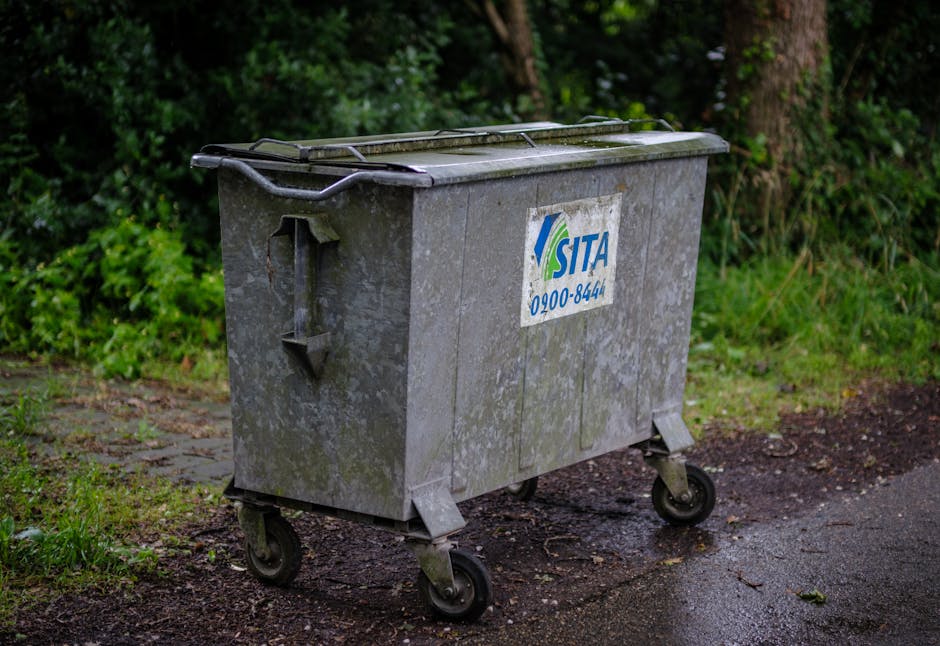
Why Bromley Council Skip and Disposal Rules for SE19 Matters
Waste disposal sounds simple until you actually have a van full of mixed items outside a flat on a narrow SE19 road. Then the details matter. Council rules are there to keep pavements clear, reduce fly-tipping, and make sure waste goes to the right place. For homeowners, tenants, landlords, and small businesses, following those rules can save time, money, and a fair bit of frustration.
It also matters because SE19 is a place where access can be awkward. Narrow streets, busy parking, shared driveways, and apartment blocks all create small obstacles that become big ones when a skip is involved. A permit issue or a blocked pavement can stop a job dead. Nobody wants a skip arriving and then discovering it cannot be placed where you expected. Not ideal, honestly.
For people moving house, the stakes are even higher. When you are trying to clear old wardrobes, broken shelving, carpet offcuts, and garden waste at once, poor planning can lead to multiple trips or last-minute re-sorting. That is why local disposal knowledge is so useful. It turns a messy task into a sequence you can actually control.
There is also an environmental angle. Recycling, reuse, and responsible sorting are part of everyday good practice now, not a nice extra. If you are trying to make your move or clearance more sustainable, our recycling and sustainability approach may help you think about waste with a bit more structure.
Expert summary: In SE19, good waste planning is less about moving things quickly and more about moving them correctly. The best result is usually the one that avoids a second visit, a blocked pavement, or a permit problem.
How Bromley Council Skip and Disposal Rules for SE19 Works
At a practical level, the process usually comes down to four questions: where will the waste sit, what type of waste is it, how much of it is there, and who is responsible for removing it? Once you answer those, the rest becomes much easier.
1. Decide whether you actually need a skip
For smaller clear-outs, a skip is not always the smartest choice. If you are getting rid of a few bulky items, a single-room declutter, or mixed household waste, a man and van clearance or direct lift-and-load service can be quicker. For moving projects, that can pair well with man and van support or broader removal services, especially when you need flexibility.
2. Check whether placement is on private land or public highway
This is one of the main fault lines in waste planning. A skip on private property is generally simpler. A skip on the road or pavement normally involves extra controls, and local authorities may require permission or a permit process. If access is tight, placing it carefully becomes even more important. In some SE19 streets, that tiny margin between "fine" and "problem" is just the width of a wheelbarrow.
3. Separate waste by type before loading
Mixed waste is one thing, but certain materials need special handling. Plasterboard, electrical items, paint, tyres, fridges, mattresses, and hazardous materials can all have different disposal routes. A skip company may accept some of these only under strict conditions, or not at all. If you are disposing of furniture alongside general waste, it helps to plan your load in advance. If you are moving bulky items rather than dumping them, see our furniture removals guidance and house removals support for a cleaner way to manage the bigger pieces.
4. Arrange lawful transport and disposal
The person moving waste should be properly responsible for it. In practice, that means using a legitimate disposal route rather than tipping waste anywhere convenient. Even a small job can create problems if the waste ends up in the wrong hands. A quick answer today can become a messy headache later. No one needs that.
If you are moving out from a flat, a terrace, or student accommodation, timing also matters. Old bedding, broken storage boxes, and unwanted small furniture tend to pile up at the last minute. For those situations, a local flat removal approach or student removals support can be more efficient than trying to improvise disposal on the fly.
Key Benefits and Practical Advantages
When the rules are followed properly, the benefits are bigger than just "staying compliant". You save time. You reduce stress. You keep the property tidy. And you usually spend less overall than if you solve problems in a rush.
- Cleaner site management: waste stays contained instead of spreading across a driveway or hallway.
- Fewer delays: a properly planned skip or collection avoids sudden cancellations and repeat trips.
- Better safety: less trip hazard, fewer sharp edges, and less moving heavy waste by hand.
- Lower admin stress: fewer permit surprises and less guesswork about what goes where.
- More sustainable outcomes: sorting waste properly helps reusable or recyclable material stay out of landfill where possible.
For household moves, there is a very practical bonus too: less clutter means less packing confusion. A lot of people underestimate this. Once the redundant stuff is gone, suddenly the whole place feels lighter. You can hear the difference, almost - less clatter, fewer boxes, fewer "I'll deal with that later" moments.
If your clearance is part of a wider move, our efficient packing strategies and packing and boxes support can help you separate what is going, what is staying, and what should be removed first.
Who This Is For and When It Makes Sense
This topic matters to more people than you might think. It is not just for tradespeople with building rubble. In SE19, you may need to understand skip and disposal rules if you are:
- clearing a house before sale or letting
- moving out of a flat with bulky leftovers
- renovating a kitchen or bathroom
- disposing of old office furniture or archive waste
- refreshing a rental property between tenants
- down-sizing after a long stay in one home
For some readers, the real issue is not volume but awkwardness. A piano, a sofa, a mattress, or a worn-out freezer is not something you just lift into the back seat and hope for the best. In those cases, disposal may overlap with specialist moving. If that sounds familiar, our piano removals service and piano moving advice may be more relevant than a skip.
It also makes sense when you want a quicker turnaround. Some jobs need the site cleared in one day, not over a week of half-finished sorting. For those, a local option like same-day removals can be the practical answer. Not glamorous, but effective.
Step-by-Step Guidance
Here is a straightforward way to approach the job without getting overwhelmed.
- List everything you want to remove. Walk through the space room by room. Write down bulky furniture, bagged waste, recyclable items, and anything that may need special handling.
- Sort by disposal type. Group general waste, reusable items, electricals, metal, wood, and hazardous material separately. This reduces surprises later.
- Measure access. Check door widths, stair turns, parking distances, and whether a skip truck or collection vehicle can get close enough. SE19 streets can be tricky, especially around corners and parked cars.
- Choose the disposal method. For mixed light waste, a skip may work. For furniture, tight access, or same-day clearance, a removal van or man with a van may be better.
- Confirm placement permissions. If the skip will sit on public land, do not assume it is fine. Check the local requirement first and build in time for approval.
- Load safely and sensibly. Put flat, heavy items at the base, avoid overfilling, and never load banned items just to save space. That shortcut usually backfires.
- Schedule collection or onward disposal. Make sure the waste leaves on time. A full skip sitting outside longer than needed is just another thing to worry about.
For awkward lifting or large items, it may be worth reading our guide on kinetic lifting techniques and lifting heavy items alone. Even if you do not lift anything yourself, knowing the basics helps you judge whether a job is safe or not.
Expert Tips for Better Results
Over the years, the biggest improvement usually comes from planning waste around the move, not after it. That sounds obvious, but people still leave disposal to the final day and then everything gets frantic. So, a few practical tips:
- Start with the awkward items first. If it is hard to move, sort it early. Waiting only makes the house feel fuller.
- Keep reusable items separate. Good furniture, shelves, and household goods may be better rehomed or stored than thrown away. Our storage options can help if you need breathing room.
- Think about weather and access. A wet pavement or a dark evening can make loading slower and less safe. It is such a small thing until it is really not.
- Protect floors and walls. Even a careful clearance can scuff paintwork in narrow hallways. Old blankets and cardboard help more than people expect.
- Plan the route out of the property. This matters with mattresses, sofas, and long pieces of wood. If the item can turn a corner only one way, someone should know that before the lift starts.
If you are preparing for a full property move, a cleaner, more organised home is easier to clear and easier to hand over. Our pre-move cleaning tips can help with that final polish, especially if you are aiming for a tidy exit inspection.

Common Mistakes to Avoid
The same mistakes appear again and again. Most are simple, which is annoying because they are also easy to avoid.
- Assuming all waste can go in one place. It cannot. Some items need separate handling.
- Leaving permit checks until the last minute. That is how jobs get delayed, especially when a public road space is involved.
- Overfilling a skip. It looks efficient, but it can create safety and transport issues.
- Mixing good furniture with rubbish. If there is any chance of reuse, think twice before loading it.
- Using the cheapest option without checking what is included. A low upfront price can become expensive if extra charges appear later.
- Forgetting access issues. A big van or skip is no help if it cannot actually reach the property.
One of the biggest hidden mistakes is poor timing. A lot of SE19 homes are not built for slow, messy, all-day clearance. Staircases fill up, neighbours need access, parking gets tighter, and suddenly a simple job becomes a small siege. You know the sort of thing.
Tools, Resources and Recommendations
You do not need a warehouse of equipment to manage waste properly, but a few basic tools make a big difference. This is the useful, unglamorous stuff:
- Heavy-duty sacks and boxes: best for sorting small mixed waste before disposal.
- Labels or marker pens: useful when separating keep, donate, recycle, and dispose piles.
- Furniture sliders or blankets: help protect floors and make movement easier.
- Gloves and sturdy shoes: simple, but often forgotten.
- Measuring tape: essential for access checks, mattress turns, and bulky furniture.
- Dust sheets or old towels: handy for protecting shared hallways and door frames.
For people who prefer a cleaner handover, it often makes sense to combine disposal with a planned removal job rather than treating them separately. Our removal van service and man with a van support can be a better fit when the job is part clearance, part relocation, part "please just get this done".
And if you are comparing service levels, it helps to look at the bigger picture. A good provider should be clear about handling, access, timing, and whether they are suited to bulky furniture, office items, or mixed domestic waste. For more on how that broader service picture fits together, see our services overview and about us page.
Law, Compliance, Standards, or Best Practice
Waste disposal in the UK sits within a broader framework of responsibility, safety, and proper transport. Rather than memorising legal jargon, it is more useful to remember the practical rule: if you are producing waste, you are responsible for making sure it is handled properly.
That means:
- choosing an appropriate disposal route
- checking whether the skip or collection method is allowed in the intended location
- not putting restricted items into general waste unless the service specifically accepts them
- using a reputable operator for transport and disposal
- keeping paths, roads, and entrances safe and reasonably clear
Best practice is often just common sense with better paperwork. If you are unsure whether a material is accepted, ask before loading it. If you are unsure whether a route is private or public, pause and check. If you are moving dangerous or unusually heavy items, do not improvise. A little caution now is far better than a mess later.
For broader safety and handling context, our health and safety policy and insurance and safety information explain the kind of careful approach that should sit behind any serious moving or clearance work.
Options, Methods, or Comparison Table
There is no single best disposal method for every SE19 job. The right choice depends on volume, access, item type, and urgency. Here is a simple comparison.
| Method | Best for | Pros | Limitations |
|---|---|---|---|
| Skip hire | Mixed waste, renovation debris, ongoing clear-outs | Handy for larger volumes, keeps waste on-site | May need placement permissions, not ideal for restricted items |
| Man and van clearance | Bulky items, tight access, smaller to medium clearances | Flexible, direct, often faster for local jobs | Less suitable for heavy builder's waste in large volume |
| Full removal service | Home moves, furniture-heavy clearances, complete property changes | More organised, better for complex jobs | Can be more than you need for a few items |
| Storage then disposal later | Moves with uncertain decisions or staged decluttering | Buys time, reduces pressure on moving day | Not immediate clearance |
For many SE19 residents, the best answer is a mix of methods. For example, you might remove furniture through a van service, store a few items you are unsure about, and dispose of the true waste separately. That is not indecisive. It is sensible. There is no prize for doing everything in one chaotic rush.
Case Study or Real-World Example
A fairly typical SE19 scenario goes like this: a couple is leaving a top-floor flat after several years. They have a broken chest of drawers, an old mattress, a sagging sofa, a handful of boxes full of mixed clutter, and a few items they might donate if time allows. They first assume a skip will solve everything. Then they check the access and realise the street is tight, parking is limited, and their building entrance is narrow.
Instead of forcing the wrong solution, they split the job. Reusable items are separated early. The mattress and sofa are moved out through a planned route. The remaining waste is bagged and handled with a more suitable collection option. One bedroom is cleared first so the rest of the flat can be packed without obstacles. By the afternoon, the place feels lighter and the moving team is not fighting against piles of "we'll deal with it later".
That is the quiet value of good disposal planning. It turns a stressful day into a manageable one. Not perfect, maybe. But manageable, and that counts for a lot.
Practical Checklist
Use this before arranging a skip or disposal service in SE19:
- List every item you want removed
- Separate general waste, recyclable items, and special waste
- Measure access routes, stairs, doors, and parking space
- Confirm whether the skip will sit on private or public land
- Check whether any permits or permissions are needed
- Decide whether a skip, van collection, or full removal is best
- Set aside items you may want to keep, donate, or store
- Protect floors, hallways, and door frames before moving starts
- Load safely and avoid overfilling
- Book collection or disposal in advance so waste does not linger
If your clearance is happening alongside a move, it can help to go room by room with a plan. Our moving-out checklist and small flat van tips are useful starting points for that kind of job.
Conclusion
Bromley Council skip and disposal rules for SE19 are not there to make life awkward. They are there to keep waste moving safely, legally, and with less disruption to everyone else on the street. Once you understand the basics, the whole process becomes a lot more workable. You choose the right method, separate the right materials, check access, and keep the job moving.
The main thing is not to wait until the day before a move or renovation to think about waste. A bit of early planning can save you from awkward delays, unnecessary lifting, and the classic last-minute pile by the front door. We have all seen that pile. It has a way of growing overnight.
If you are clearing a property, moving home, or dealing with bulky items in SE19, take the time to match the disposal method to the job. That simple decision tends to pay off in less stress and a much cleaner finish.
Get a free quote today and see how much you can save.