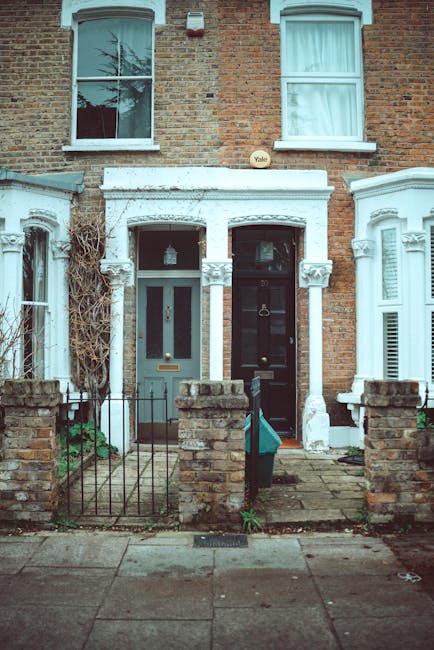
Real Job: Converted Flat Move on Church Road, Upper Norwood
Moving out of a converted flat on Church Road, Upper Norwood can look straightforward on paper. Then the reality arrives: tight stairwells, awkward corners, a shared hallway, maybe a parking squeeze outside, and suddenly the move has more moving parts than you first expected. This guide breaks down a real job: a converted flat move on Church Road, Upper Norwood, and explains what actually matters when you are planning, loading, protecting furniture, and getting everything out without turning moving day into a scramble.
If you are comparing removal options, trying to understand how a local move like this works, or simply want to avoid the usual headaches, you are in the right place. We will cover the practical steps, the risks people miss, the decisions that make a difference, and the best ways to handle a flat move in an older London property. Because let's face it, a "small move" can become a big one very quickly if the access is tricky.
Table of Contents
- Why this kind of move matters
- How the move works in practice
- Key benefits and practical advantages
- Who this is for and when it makes sense
- Step-by-step guidance
- Expert tips for better results
- Common mistakes to avoid
- Tools, resources and recommendations
- Law, compliance, standards, or best practice
- Options, methods, or comparison table
- Case study or real-world example
- Practical checklist
- Conclusion
- Frequently asked questions
Why Real Job: Converted Flat Move on Church Road, Upper Norwood Matters
A converted flat is not the same as a purpose-built apartment. That sounds obvious, but in practice it changes nearly everything about a move. Converted properties often come with narrower staircases, older flooring, shared entrances, uneven landings, and less predictable access. On Church Road, Upper Norwood, you also have the ordinary London realities: parking, neighbours, traffic timing, and the need to keep things tidy and respectful around a shared building.
This matters because the shape of the property affects the whole job. A sofa that would glide through one building may need to be angled, lifted, or even dismantled in another. A fridge that seems manageable from the pavement may be awkward once you reach the second-floor landing. And if you do not plan for that, you end up paying in time, stress, or both.
There is also a trust element. When someone searches for a real job like this, they are usually trying to understand what a removal team actually does on the day, not just what they promise on a website. They want the honest version. How long might it take? What should be prepared in advance? What happens if access is limited? Those are fair questions.
In our experience, the jobs that go smoothly are not the ones with the fanciest gear. They are the ones where the mover, the customer, and the building all line up neatly. Not perfectly. Just neatly enough.
One more thing: local moves often look smaller than they are. A converted flat may have fewer rooms, but the access can make it feel twice as demanding as a modern block. That is why this type of move deserves a proper plan, even if the distance is short.
How Real Job: Converted Flat Move on Church Road, Upper Norwood Works
At a practical level, this kind of move follows the same broad removal process as any other home move, but with more attention to access, protection, and timing. The key is to treat the property, not just the furniture, as part of the job.
1. Pre-move assessment
The first step is understanding the layout. Is the flat on the first floor, top floor, or split over levels? Are there tight turns on the stairs? Is there a lift, and if so, is it actually usable for large items? Are there any restrictions on parking near the property? These details sound minor, but they shape the whole schedule.
A good mover will ask about item sizes, access points, fragile pieces, and parking. If you are doing the move yourself, this is still the moment to measure doorways, check stair width, and think about the route from the front door to the van. Sometimes the path from flat to vehicle is the hardest part of the day.
2. Packing and preparation
Converted flats often have limited storage, so people tend to accumulate boxes in every corner. That can slow things down. The best approach is to pack in zones: kitchen, bedroom, living room, and any loft or cupboard space. Label everything clearly, especially if items will be taken to different rooms at the new place.
Furniture should be wrapped or padded where needed. Corners, glass shelves, mirrors, and table legs are the usual trouble spots. If a piece is bulky but not especially heavy, it may still need two people because of the angle required on a staircase. That is normal, by the way. Not everything is about brute strength.
3. Access handling on moving day
This is where converted flat moves either feel easy or become a bit of a dance. The crew may need to protect bannisters, cover floors, and take items in a specific order so the largest pieces go first. If the stairs are narrow, the team may need to turn furniture on end or rotate it carefully around corners.
Parking can also make a difference. If the van cannot stop close by, carrying time increases fast. A few extra metres do not sound like much until you are doing them repeatedly with boxes, a mattress, and a chest of drawers. It adds up.
4. Loading and transport
Once items are out, they need to be loaded efficiently so fragile or heavy items are secured correctly. This is not just about fitting everything in. It is about preventing movement during transit and reducing the chance of damage. A well-loaded van keeps the heavier pieces stable and protects softer items from pressure.
5. Unloading and placement
The final stage is getting things into the right room without creating another mess. A clear labelling system helps here. So does a little advance thought about which room should receive which items first. The fewer times a sofa has to be shifted around indoors, the better.
Simple, yes. But never simplistic.
Key Benefits and Practical Advantages
A properly managed converted flat move brings more than convenience. It reduces friction everywhere. You will notice it in how much less lifting is repeated, how much calmer the day feels, and how much easier unpacking becomes later.
- Less risk of damage: careful handling through narrow spaces protects both furniture and the property itself.
- Faster completion: planning access and load order avoids unnecessary back-and-forth.
- Better use of labour: the right number of people for the job means less strain and fewer delays.
- Lower stress: when the process is organised, the move feels manageable rather than chaotic.
- Improved safety: fewer rushed lifts and fewer awkward manoeuvres mean less chance of injury.
There is also a less obvious benefit: respect for the building and the neighbours. In a converted property, noise and hallway disruption matter. Being tidy, efficient, and careful makes a difference to everyone in the building, not just the person moving out.
For local moves in Upper Norwood, this can be especially helpful where access is shared or parking is tight. A smooth job tends to be a quiet job. Not silent, obviously. Removals never are. But calmer than people expect.
Who This Is For and When It Makes Sense
This kind of move is a good fit for anyone leaving a converted flat, especially if you have:
- limited access through stairways or shared entrances
- bulky furniture that needs careful handling
- fragile household items that should not be rushed
- a short local move where speed and efficiency matter
- parking or loading concerns near the property
It also makes sense if you are moving on a tight schedule. People often underestimate how much time is lost by small delays: waiting for a parking space, carrying items in stages, disassembling furniture that was "supposed to fit," and hunting for the kettle at the new place because the boxes were not labelled properly. We have all seen that kind of morning.
If you are moving from a flat that has been lived in for years, you may also have more clutter than you think. Converted flats can hide storage in odd places: behind cupboards, above wardrobes, under beds, in the back of a hallway cupboard that nobody has opened since winter. Those hidden items matter on moving day.
Truth be told, this type of move suits people who want a practical, low-drama approach. If you prefer a clear plan over improvisation, you will probably feel more comfortable with a structured removal service than trying to wing it on the day.
Step-by-Step Guidance
Here is a clear way to think about the move from start to finish. It is not fancy, but it works.
- Survey the property and access. Measure doorways, check stair width, look at the route from flat to van, and note any tight corners or overhead obstacles.
- Sort and declutter. Decide what is going, what is being donated, and what can be recycled. Do this early, not at 11pm the night before.
- Pack by priority. Start with non-essential items and leave everyday essentials for last. Use sturdy boxes and avoid overfilling them.
- Label clearly. Write the room name and a short description on each box. It sounds basic because it is basic, and it helps a lot.
- Protect furniture. Wrap delicate surfaces, remove loose shelves, tape drawers shut if needed, and protect corners.
- Arrange parking and timing. Choose a loading slot that gives you the best chance of working efficiently and keeping access clear.
- Load in a sensible order. Heavy and stable items first, fragile items protected, and loose items secured so they do not shift.
- Check the old flat. Look in cupboards, behind doors, under beds, and in communal areas so nothing is left behind.
- Unpack the essentials first. Kettle, bedding, chargers, toiletries, and key documents should be easy to find on arrival.
If you want a simple rule, use this: prepare the access, not just the boxes. That is where the day is won or lost.
Expert Tips for Better Results
There are a few small decisions that make a real difference on a move like this.
Be ruthless with bulky items
Old wardrobes, overstuffed shelving, and awkward furniture are the usual culprits. If something is too large for the staircase or too fragile to move quickly, consider whether it is worth taking at all. Sometimes replacing one item is cheaper, safer, and less stressful than wrestling it down a converted-flat stairwell. Nobody wants that kind of battle before lunch.
Keep the route clear
On moving day, even one forgotten bag by the front door can slow things down. Clear the hallway, the stairs, and the landing if you can. A clear route is not a luxury. It is a moving tool.
Use room-by-room packing discipline
Mixing items from different rooms in the same box creates confusion later. It also increases the chance of breakages because heavier and lighter items do not always sit well together. Keep like with like.
Think about the weather
London weather has a way of doing whatever it likes. A dry morning can turn into a damp afternoon, and wet stairs or entrances are a nuisance nobody needs. If rain is likely, have floor protection and covers ready. Small detail, big difference.
Leave a buffer
Do not plan your day so tightly that one delay ruins everything. A little breathing room helps if parking is awkward, a box needs re-taping, or a piece of furniture turns out to be more awkward than expected.
Communicate clearly
If you are using a removal team, tell them about the staircase, the parking situation, and any particularly valuable or delicate items. Good communication is not overkill. It saves time and avoids guesswork.
And one honest note: if you think a sofa will fit because it might fit, that is usually the moment to measure it properly. Funny how that works.
Common Mistakes to Avoid
Most moving problems are not dramatic. They are ordinary, preventable little things that stack up.
- Ignoring access limitations: not measuring the route can turn a routine move into a scramble.
- Packing too late: last-minute packing leads to poor labelling, damaged items, and stress.
- Overloading boxes: heavy boxes are harder to carry safely and are more likely to split.
- Forgetting parking: if the van has to park far away, the whole job slows down.
- Not disassembling furniture in advance: some items move better in parts than as a whole.
- Leaving essentials buried: if the kettle or phone charger is packed deep, the first evening at the new place feels unnecessarily messy.
- Underestimating stair difficulty: old staircases can be deceptive, especially in converted properties.
One of the biggest errors, honestly, is assuming that because the flat is small, the move will be simple. Size and difficulty are not the same thing. A compact flat with awkward access can be more demanding than a larger property with easy ground-floor loading.
Another frequent issue is skipping the declutter stage. It is tempting to take everything and decide later, but later has a habit of becoming heavier than expected.
Tools, Resources and Recommendations
You do not need a warehouse of equipment for this type of move, but a few practical tools make life easier.
| Tool / Resource | Why it helps | Best used for |
|---|---|---|
| Sturdy double-walled boxes | Reduces splitting and protects contents | Books, kitchen items, mixed household goods |
| Furniture blankets | Protects corners and surfaces in tight spaces | Wardrobes, tables, dressers, appliances |
| Bubble wrap or paper wrap | Cushions fragile items | Glassware, mirrors, lamps, ornaments |
| Labels and markers | Makes unloading and unpacking quicker | All boxes and loose parts |
| Basic toolkit | Helps with dismantling and reassembly | Beds, shelving, flat-pack furniture |
| Floor protection | Helps preserve hallways and stairs | Shared access routes and wet-weather moves |
For readers exploring local removal support, useful pages on this site include home moves, man with van, and pricing and quotes. If you are trying to understand the broader service structure, removal services and removals may also help.
If your move involves packing support, take a look at packing and unpacking services. And if you are comparing overall approaches for a smaller property, man and van removals is a useful reference point.
Law, Compliance, Standards, or Best Practice
For a residential move like this, the main compliance concerns are usually practical rather than complicated, but they still matter. You want to move safely, respect the property, and avoid avoidable issues with parking, access, or handling.
Here are the key best-practice areas to keep in mind:
- Health and safety: lifting and carrying should be done with care, especially on stairs or in cramped hallways. Good handling reduces the chance of injury and damage.
- Insurance awareness: if items are valuable or fragile, check what level of cover applies and what exclusions might exist. A quick read through the insurance and safety information is sensible before moving day.
- Property respect: shared entrances, communal hallways, and stairwells should be kept clear and protected where needed.
- Parking and access rules: local restrictions can affect loading and unloading. Planning ahead avoids awkward delays.
- Environmental care: if you are disposing of unwanted items, recycling and responsible disposal are better than last-minute dumping. The recycling and sustainability page is a useful place to start.
For operational confidence, it also helps to understand the company's policies around safety, payment, and service terms. That is why pages such as health and safety policy, payment and security, and terms and conditions are worth reviewing if you are comparing options.
Nothing dramatic here. Just the basics done well, which is what a good move usually comes down to anyway.
Options, Methods, or Comparison Table
When moving a converted flat on Church Road, Upper Norwood, you normally have a few route choices. The right one depends on time, access, budget, and how much help you want.
| Method | Best for | Pros | Trade-offs |
|---|---|---|---|
| DIY move | Very small moves with easy access | Lower upfront cost, full control | More physical effort, more risk, slower loading |
| Man and van service | Small to medium flat moves | Flexible, practical, efficient for local jobs | May still require your own packing and preparation |
| Full removal service | Larger moves or tighter schedules | More support, less stress, better for awkward access | Higher overall cost |
| Packing add-on | Busy households or fragile belongings | Time-saving, more organised, often less damage risk | Extra service cost |
For many converted-flat moves, the man-and-van approach hits a sweet spot. It is often flexible enough for local access issues without being overbuilt for the job. If the property has especially awkward stairs or a large amount of furniture, a more complete service may be better. The choice is rarely about one thing only.
To compare service styles in more detail, you might also find removal company, removal companies, and removals near me useful for understanding the wider market.
Case Study or Real-World Example
Picture a typical move from a converted flat on Church Road. The flat is on the upper floor of an older building, with a narrow stairwell and a shared entrance. The household has a sofa, a bed frame, a mattress, several boxes of books, kitchen items, and a few fragile pieces of furniture.
The move starts with a quick access check. The biggest issue is not the number of boxes; it is the sofa and the bed frame. Those are measured first. The bed comes apart easily, which is lucky. The sofa needs two people and careful rotation on the stairs. A quick floor covering is used near the entrance because the weather is damp and the tiles near the doorway are slippery.
Once packing is under control, the loading order is set: mattress, bed parts, boxes, then the heavier furniture. The mover keeps the path clear, and the hallway stays tidy enough that neighbours barely notice the process beyond the usual brief bump and shuffle. The job finishes on time, with nothing damaged and no awkward surprises at the last minute.
What made it work? Not luck. A little preparation, a realistic approach to the stairs, and an honest view of what needed extra care. That is often the whole story.
Practical Checklist
Use this checklist before moving day. It is simple, but it keeps the important things from slipping through the cracks.
- Measure large furniture and key doorways
- Check stair width and turning points
- Confirm parking and loading access
- Declutter before packing starts
- Label every box by room and contents
- Protect fragile items with wrapping
- Disassemble furniture where sensible
- Keep essentials bag separate and easy to find
- Protect floors and hallway surfaces if needed
- Review insurance, payment, and service terms
- Have keys, phone, and documents ready for the day
- Check cupboards, loft spaces, and storage areas before leaving
Expert summary: the best converted-flat move is usually not the fastest one on paper. It is the one where access is planned, furniture is handled with care, and the load-out feels calm rather than rushed. That is the real advantage of thinking ahead.
Get a free quote today and see how much you can save.
Conclusion
A real job: converted flat move on Church Road, Upper Norwood is about more than simply moving boxes from one address to another. It is about understanding the property, handling access properly, and making the day feel manageable instead of chaotic. If you plan for the stairs, the parking, the furniture, and the packing, the whole move becomes far easier.
That is the quiet truth of it. Good removals are usually boring in the best possible way. No drama, no damage, no wasted effort. Just a smooth exit from one home and a steady start in the next.
If you are preparing a move like this, take your time with the details. They really do matter, and a bit of care now saves a lot of sighing later.
Frequently Asked Questions
What makes a converted flat move different from a normal house move?
A converted flat usually has older access features such as narrower stairs, shared entrances, or unusual room layouts. That can make furniture handling and loading more complicated than a typical house move.
How do I know if my sofa will fit through the stairwell?
Measure the sofa, doorways, and stair turns before moving day. If the piece is close to the limit, assume it may need to be angled, rotated, or partially dismantled. When in doubt, measure twice. It saves a lot of faffing.
Is a man and van service enough for a flat move in Upper Norwood?
Often, yes, especially for smaller local moves. A man and van service can be a practical fit if the access is manageable and the volume of belongings is modest. For larger or more complex moves, extra help may be better.
Do I need to arrange parking before moving day?
It is strongly recommended. Parking close to the property can make the move much faster and safer. If parking is tight, plan the loading point in advance so the van can stop as near as possible.
Should I disassemble furniture before the movers arrive?
Yes, where it is sensible and safe to do so. Beds, shelving, and some tables are easier to move in parts. That said, only disassemble items if you are confident you can rebuild them properly later.
What should I pack separately for moving day?
Keep essentials like chargers, toiletries, medication, key documents, snacks, and basic cleaning items in a separate bag. A kettle, tea, and mugs are also welcome if you like a proper cup once you arrive. Very British, but there it is.
How can I protect shared hallways and stairs?
Use floor protection or blankets where needed, avoid dragging items, and keep the route clear. Careful handling reduces the chance of scuffs, chips, or nuisance to neighbours.
What if my converted flat has very narrow stairs?
That may mean larger items need special handling, additional lifting, or in some cases a different transport plan. It is worth discussing access early so the mover can prepare properly.
How far in advance should I book a removal service?
As soon as you know your moving date, ideally. Short local moves still benefit from early booking, especially if you want a specific time slot or need help with packing.
Are packing services worth it for a small flat move?
They can be, especially if you are short on time, have fragile items, or simply want a more organised move. For busy households, packing support often removes a lot of pressure.
What should I check before choosing a removal company?
Look at service scope, pricing clarity, insurance and safety information, payment terms, and whether the company understands local access issues. If you want a broader service overview, pages like about us and contact us can help you assess whether the approach feels right.
Can I combine moving and disposal in one job?
Often you can, as long as you plan it carefully. Unwanted items should be dealt with responsibly, and recycling is usually better than leaving things until the last minute. For disposal-related planning, the furniture pick up and sustainability-related guidance may be useful.
What is the biggest mistake people make on a converted-flat move?
The most common mistake is underestimating access. People think in terms of box count and forget about stairs, corners, parking, and the weight of repeated lifting. The access is the job, really.